

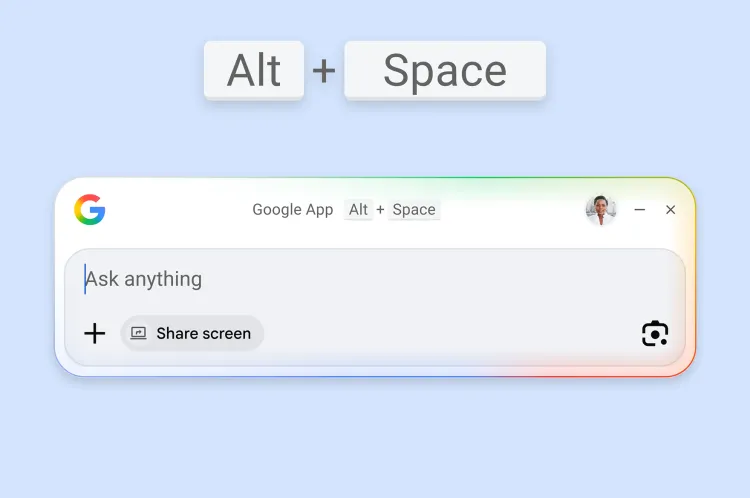
Google is officially bringing its Spotlight-style desktop search experience to Windows users everywhere. After quietly testing the app last year, the company has now rolled it out globally in English, giving Windows users a faster way to search both the web and files on their PCs from one place. The app is available directly from Google and works on devices running Windows 10 or later.
This is exactly the kind of utility we like to see: simple idea, practical use, and no unnecessary fluff. If you spend your day bouncing between browser tabs, local folders, and cloud files, this kind of shortcut can shave off more time than you would think.
A Windows Search Tool That Feels a Lot Like Spotlight
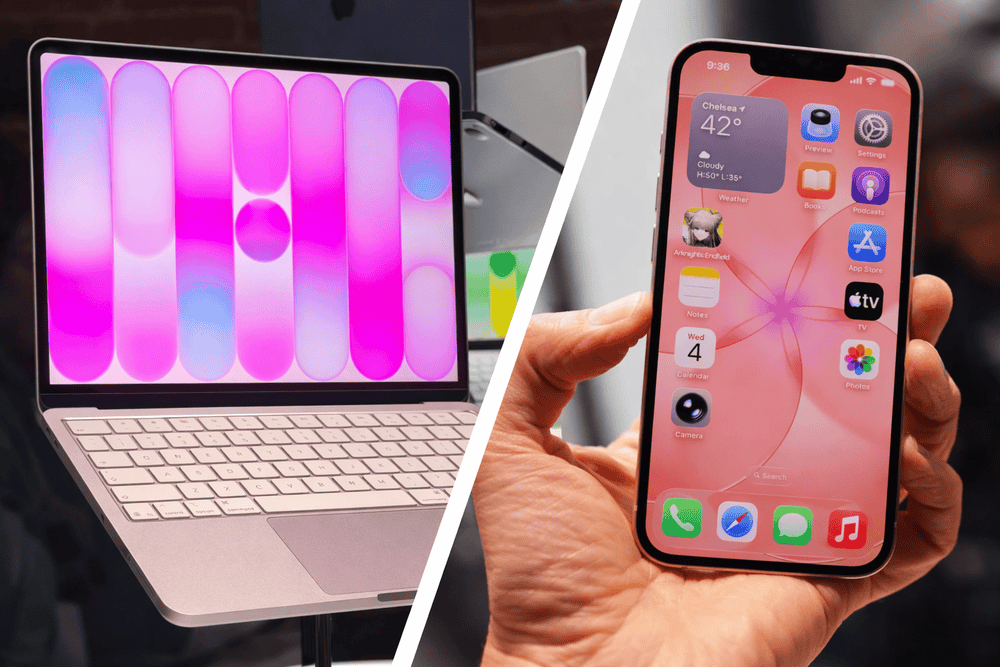
The new Google desktop app looks and behaves a lot like Apple’s Spotlight on macOS. Press Alt + Space, and a search bar pops up instantly, letting you look up web results, files stored on your computer, and content saved in Google Drive without opening multiple apps first.
That alone makes it useful, but Google is also trying to make the experience feel a little broader than traditional desktop search. As you type, you can move between views such as All, Images, and AI Mode, depending on what kind of result you want.
Google Wants Search to Be More Context-Aware
One of the more interesting additions is how the app ties into Google’s broader AI and visual search tools. If you want to ask Google about something currently on your screen, you can use Google Lens or share your screen directly for more context-aware help. That pushes the app beyond simple file lookup and turns it into more of a desktop search-and-assistance layer.
From Geekinter’s point of view, that is where this gets more interesting than a basic launcher. A lot of desktop search tools help you find things. Fewer try to understand what you are doing in the moment and help from there. Google is clearly aiming for that second category.
What About macOS or Linux?
For now, Google has only made the Windows version broadly available, and it is still unclear whether the same desktop app will come to macOS or Linux. Google did not immediately comment on those plans. However, reports suggest the company is also testing a Gemini app for macOS, which would put it into more direct competition with desktop AI tools from companies like Anthropic and OpenAI.
If that happens, the bigger story may not just be “Google made a search bar for Windows.” It may be that Google is slowly building its own desktop-level AI layer across multiple operating systems. Windows just happens to be the first place where the company is making that push more visible. That last point is an inference based on the reported rollout and Google’s broader Gemini testing.
Final Thoughts
For Windows users, this is a smart release. It gives Google a more direct place on the desktop, makes search faster, and folds web, local, and cloud content into one interface. It also feels like the kind of product that could quietly become part of someone’s daily workflow without needing much setup or explanation.
We see this as more than a convenience feature. It is another sign that desktop search is turning into something bigger: part launcher, part assistant, part AI layer. And if Google keeps expanding it, this may end up being one of those small tools that becomes surprisingly hard to live without.