Okay, this is pretty incredible; a $200 million chipmaking machine would become obsolete without a specific chemical that most people have never heard of.
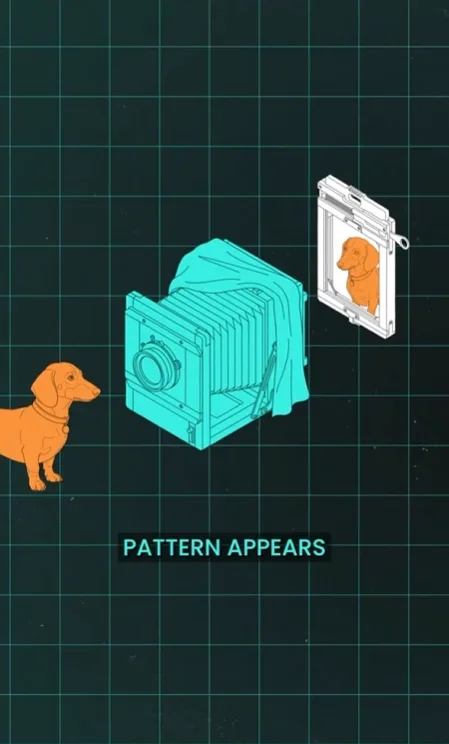
Okay, so it's called photoresist. Japanese companies make roughly 80% of the world's supply. So essentially, before an EUV machine prints a circuit, the wafer gets coated in photoresist. You can kind of think of it as a film inside an old camera; light hits it, and the pattern appears. That pattern becomes the map for billions of transistors.
And at 2 nanometers, one single contaminant or rough edge can literally ruin a whole batch of chips; it's one of the biggest struggles with this. Purity at that scale is really the entire challenge.
And JSR, which is a Japanese company, holds about 19% of the entire market; and only three companies mass-produce EUV grade resist. All three are Japanese. Now, JSR is planning its first Taiwan plant to work closer to TSMC, when they're actually targeting 2028.
Now, a Japanese paper company — a paper company — is developing a wood-based resist for 2nm chips, and that's also targeting 2028. So, Japan is really seeing that this is a chemical that is going to continue to be in demand.
And I mean, no one is really talking about this; everyone is focusing on the EUV machines, but what about the chemical that makes these machines work?

Comments